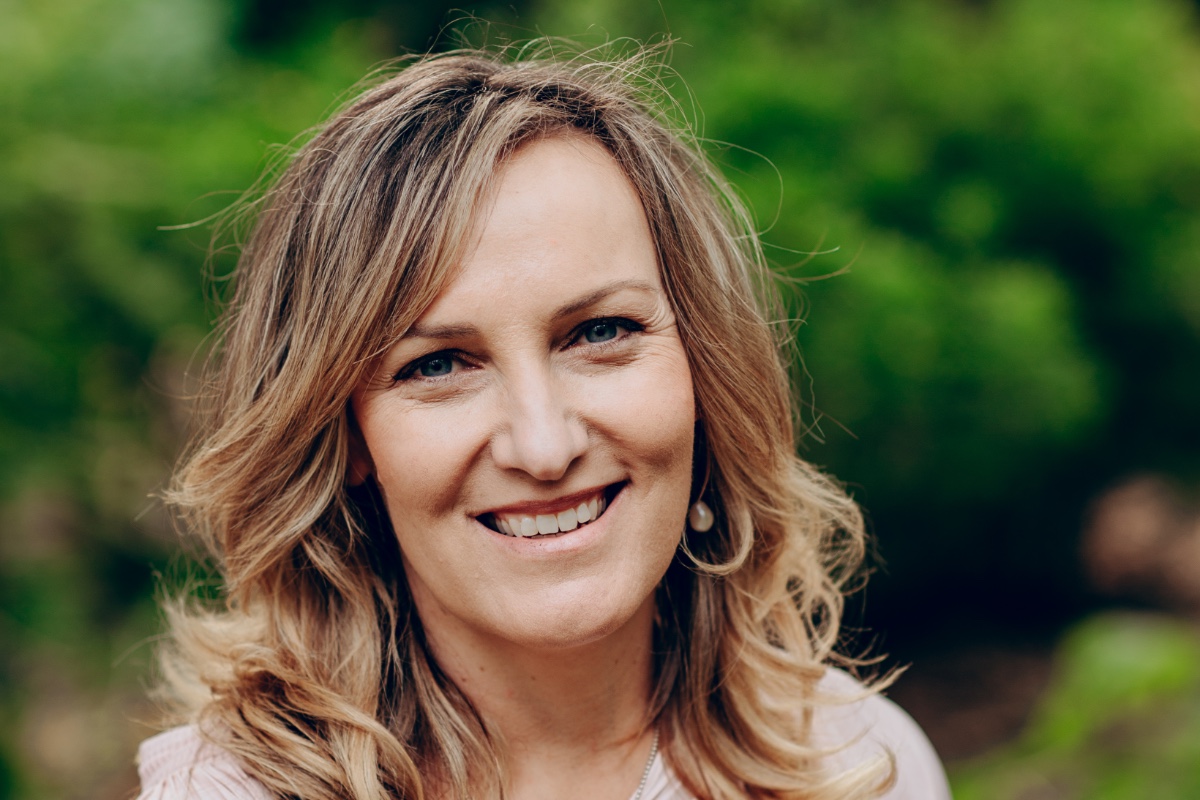

Sumeet Saigal captured the hearts of Australian viewers on MasterChef 2024 with her calm confidence and an instinctive grasp of spice that earned her the nickname “Sauce Boss.” Before the television screens and the upcoming launch of her debut sauce range, Sumeet was balancing a career in sales while raising teenage twins.
Taking a massive leap of faith to pursue her passion for food, she has become an inspiring voice for migrants and creatives looking to reinvent themselves.
In this interview, Sumeet discusses the reality of traditional Punjabi cooking, her strategy for managing high-stress environments, and why she believes the concept of being “too late” simply does not exist.
Leaving a stable career in sales to compete on MasterChef Australia while raising teenage twins is a massive leap of faith. What was the exact turning point that made you finally decide to back yourself and pursue food full-time?
Being in the food industry was always my passion. Somewhere inside me I always knew it was my calling. Competing on MasterChef was also always on my to do list! The turning point that got me to put my hat in the ring and take the chance was my conversation with my son when I saw the invitation for applications for the upcoming season of MasterChef aired on TV. Whilst I was filled with self-doubt, my son was completely confident in me making it on the show and acing it. That was my turning point when I thought, I must do it for the faith my child has in me.
You earned the affectionate nickname “Sauce Boss” on the show, and now you are actually preparing to launch your debut range of four sauces in April. How are you managing the intense transition from being a home cook on television to running a fast-paced food product business?
It truly is a leap of faith! That’s it! Giving up the safety of living in the shadows and comfort of being a home cook to coming out in the open to reveal even the most vulnerable parts of myself, challenging my weaknesses and honing my strengths on the brink of success or failure is a huge risk. There most definitely is fear! But what gets me up and committed to this every day is that my faith is stronger than my fears! Every time fears or doubts creep in, faith shoos them away pretty quickly!
Growing up, food was central to your family life, celebration, and connection. Now, as a busy entrepreneur with teenage twins, what does dinnertime actually look like in your house on a chaotic weeknight?
Mealtimes are always peaceful. We take the time to sit at the dining table and have dinner. In these busy times, meal prep has become even more important. I usually try and have my dinners for the upcoming few days planned beforehand so that there isn’t a rush or ramble – I am generally prepared for the inevitable “what’s for dinner” question!
Your mission is to challenge outdated perceptions and show that Indian-inspired food can be light, versatile, and perfectly suited to an Aussie BBQ. What is the biggest misconception you think people still have about traditional Punjabi cooking?
Traditional Punjabi cooking is homestyle, slow-cooked and simple. There is a deep consideration for seasonal produce. Punjab is the food bowl of the Indian subcontinent, and the farmers of the land deeply understand the crops, vegetables and seasonality. The culture revolves so much around the farming seasons. Punjabi cooking in popular culture has somehow become known for being heavy on cream, suitable only in the winter and heavily focused on butter chicken.
Whereas it is quite the opposite. It is a cuisine which is meant to be eaten year-round, characterised by its use of leafy vegetables, cauliflower, mustard, corn and a variety of lentils and legumes.
Between the MasterChef kitchen and competing at the World Food Championships for two consecutive years, you are certainly no stranger to high-pressure environments. What is your personal strategy for staying calm and grounded when the clock is ticking and the stress is high?
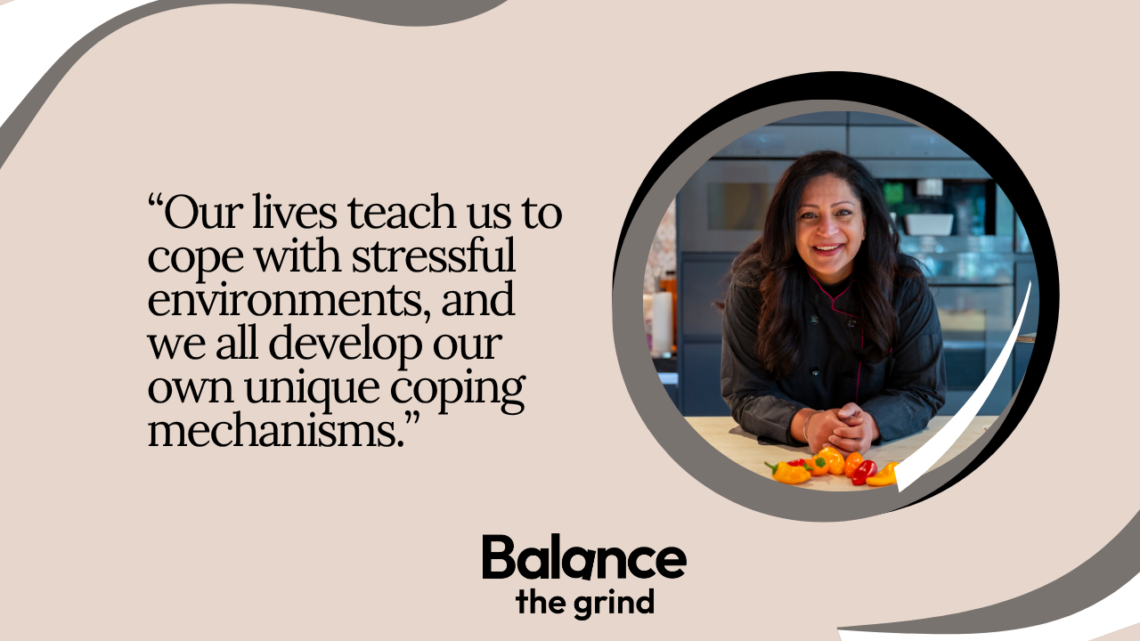
It’s a learned behaviour. Our lives teach us to cope with stressful environments, and we all develop our own unique coping mechanisms. I feel like my coping mechanism with any stressful situation is to totally zone in, break it down into bite-sized pieces and clearly mark what is and is not in my control. This allows me to not get overwhelmed with the stress of the ticking clock! Panic can be saved after the crisis is dealt with.
You have become such an inspiring voice for “late-blooming creatives” and migrants looking to reinvent themselves. What practical advice would you give someone who feels it is too late in life to completely change careers and pursue their passion?
I tend to take a philosophical yet extremely empowering approach to this. The word “late” should almost be redundant in this context. Every flower blossoms at the right time, therefore the question of late does not apply. I am an absolute and firm believer of “if you can dream it, you can do it”. So my humble and very practical advice is “go forth and blossom”!