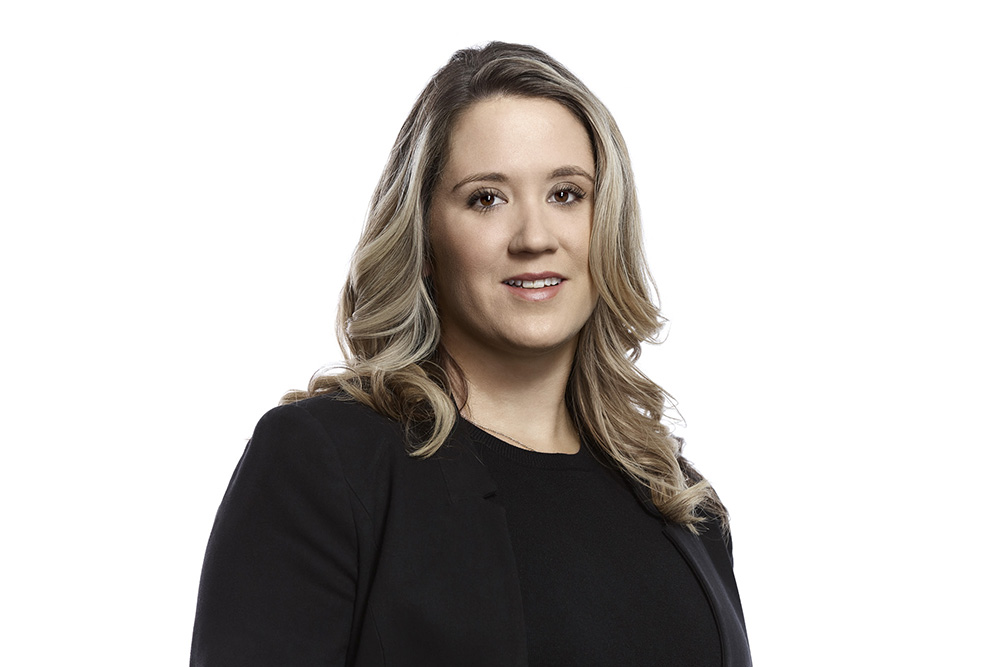

Nicole Cikarela is the CEO of The Push for Better Foundation and leads a team managing one of Australia’s most impactful mental fitness events. This June, over 200,000 Australians will complete 3,307 push-ups to raise awareness and funds for mental health. While the event has raised more than $70 million over the past decade, Nicole focuses on adapting her leadership to support a small but capable team of 25 people delivering international impact.
In this interview, she shares how she navigates the logistical reality of a massive digital event, why exercise is her non-negotiable tool for mental clarity, and how cooking the family meal helps her disconnect from the demands of a high-pressure role.
The Push-Up Challenge is celebrating its tenth year in Australia and has already raised over $70 million for mental health. How has your leadership style evolved as the event scaled to this massive national level?
I am still relatively new in this role, so for me it is less about evolving with the scale over ten years and more about quickly adapting my leadership to a small but incredibly capable team delivering something very big. We are a 25 person team, but the impact we create is international. That requires clarity, trust and focus.
In a small but mighty team, everyone carries real responsibility so I focus on setting clear priorities, removing obstacles and backing people to execute. I am also very conscious of protecting energy and culture. When you are operating at pace and scale, it’s easy to drift into constant pressure. I want our team to feel connected to the purpose, to look after their own wellbeing and to know that how we work matters just as much as what we deliver.
This June, over 200,000 Australians will take on 3,307 push-ups to support mental fitness. What is the logistical reality of managing an event with that many active participants across the country?
The reality is that it is complex, but it is also where being a digital organisation becomes a real strength. We are not managing a traditional event in physical locations. We are managing a national experience through technology, which changes everything.
Our platform, communications systems and data capabilities are at the centre of how we operate. Technology literacy is a cornerstone of my leadership because it allows us to scale without losing connection to our supporters, participants and donors. We need to understand our systems deeply, respond quickly when things go wrong and continuously improve stability, security and the user experience.
Behind the scenes is coordination across multiple moving parts. Customer support, communications, partnerships and product all have to work in sync. When you have hundreds of thousands of people engaging daily, small issues can become big very quickly, so reliability and responsiveness are critical.
At the same time, we never lose sight of the human side. Each participant is choosing to engage for their own reasons, often deeply personal ones connected to mental health. Our job is to make that experience seamless, supportive and motivating. The technology enables the scale, but the intention is always about helping people feel connected, supported and part of something bigger.
How do you personally incorporate physical activity into your daily routine to handle the pressure of running a major organization?
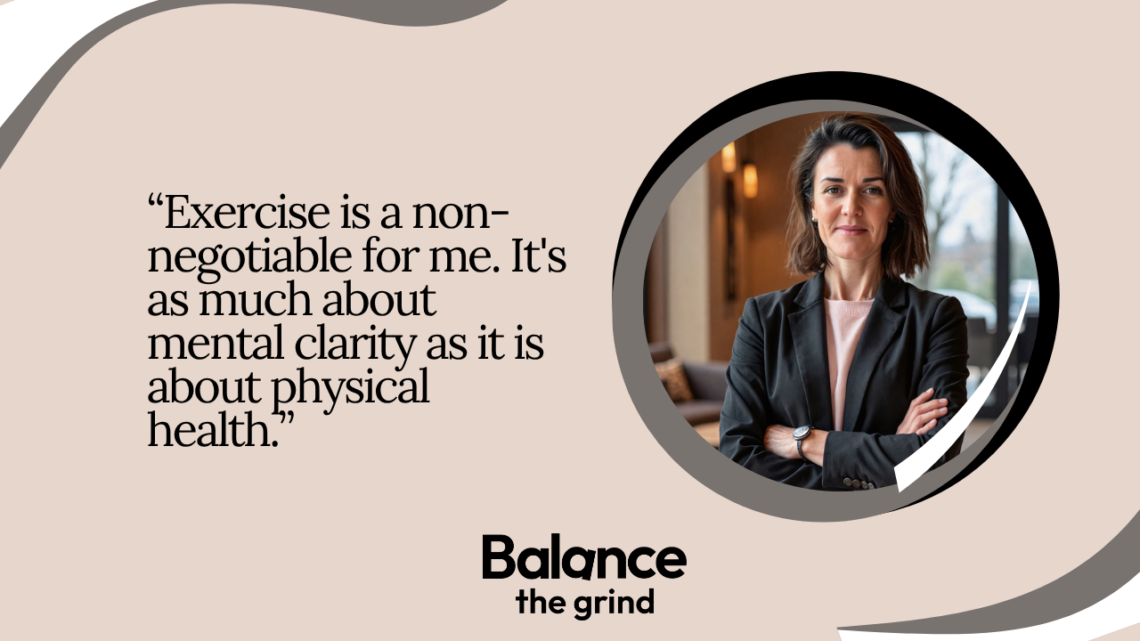
Exercise is a non-negotiable for me. It’s as much about mental clarity as it is about physical health. I start most days with movement, usually a run, yoga or a boxing class before the day takes over. It gives me space to think, reset and get ahead of the noise. I have struggled to create a lasting mediation habit, but exercise has the same effect for me. I try to build movement into the day in small ways, walking between meetings where I can or stepping out for fresh air. There is a real connection for me between exercise and how I show up as a leader. When I move, I’m calmer, more focused and better able to make decisions. It is also why I genuinely believe in what we promote through The Push-Up Challenge. Using exercise as a tool for mental health is something I live, not just talk about.
You are a strong advocate for the importance of work life balance when managing the demands of a big job. What are the strict boundaries you set to ensure you actually disconnect from the CEO role at the end of the day?
I try to be deliberate about protecting time with my family and community. Sometimes it works, other times it doesn’t! I don’t beat myself up over that. It all balances out over time.
Evenings are for being present, I get home and cook the family meal and then we sit down for dinner. That act of meal preparation signals the end of the work day, and gives me space for the evening ahead.
Weekends, where possible, are about connection. You will find me at a sporting club (footy or basketball), spending time with friends or family or catching up with my book club. Those routines ground me and remind me that there is more to life than work. It makes me a better leader because I come back with perspective and energy.
We always love knowing how leaders start their day. What does your morning routine look like before you check your inbox or dive into meetings?
I guard my mornings quite closely. I start with movement, usually outside, which helps me reset and think clearly before the day begins. I try not to open my inbox or Slack straight away.
Then it’s a routine of getting the kids organised, lunches packed, off to school and then starting my work day. A few quiet minutes on the drive to work to think about what my priorities for the day makes a difference. My calendar guides my movements from there. If it’s not in the diary, it’s unlikely to happen.
Leading a mental health organisation means you are constantly surrounded by heavy and important topics. How do you protect your own mental energy and avoid the emotional burden of this space?
It is something I am very conscious of. The work is important and it can feel like a responsibility, so I focus on a few things to stay balanced.
Firstly, I keep perspective by staying connected to the positive impact, the lives changed and the communities engaged.
Secondly, I prioritise my own wellbeing through exercise, sleep and connection. Good sleep is critical for me. Without it, everything feels harder.
Finally, I lean into my support networks. Peers, managers and advocates for advice. There are very few challenges that others have not dealt with in some way. Getting diverse views on challenges and opportunities is invaluable. Those connections are not just nice to have, they are essential. They help me recharge so I can continue to show up fully in a role that matters.